
Property damage emergencies rarely happen when it is convenient. A pipe bursts during the night, a storm causes water intrusion over a weekend, or smoke spreads throughout a building after a fire. In each situation, the actions taken during the first few hours often influence the scope of damage, the condition of building materials, and the overall recovery process.
For homeowners, commercial property owners, property managers, insurance professionals, and referral partners throughout Bear, Newark, Wilmington, New Castle, and surrounding communities in New Castle County, understanding emergency restoration services can help you make informed decisions when unexpected events occur. This guide reflects industry-recognized restoration practices and the principles that guide professional restoration projects.
When Disaster Strikes, Fast Response Makes a Difference
Water, smoke, soot, and contamination do not remain contained to one area for long. Moisture migrates into drywall, insulation, flooring systems, and structural materials. Smoke particles settle into porous surfaces and HVAC systems. Standing water creates conditions that may contribute to mold growth if not properly addressed.
In Bear and throughout Northern Delaware, seasonal storms, aging plumbing systems, and fluctuating weather conditions can expose both residential and commercial properties to sudden damage. Taking action quickly helps limit secondary issues and supports a more efficient restoration process.
Understanding Emergency Restoration Services
Emergency damage restoration services in Northern Delaware focus on stabilizing and restoring properties affected by water, fire, smoke, storm damage, sewage contamination, mold growth, and other environmental events. The objective is not simply cleaning visible damage. Professional restoration involves identifying underlying conditions, documenting findings, controlling contaminants, and implementing science-based restoration procedures.
Industry standards such as the ANSI/IICRC S500 Standard for Professional Water Damage Restoration and ANSI/IICRC S520 Standard for Professional Mold Remediation provide guidance for evaluating conditions, establishing drying goals, controlling contamination, and restoring affected environments.
Common Types of Damage That Require Immediate Restoration
Water Damage Restoration
Water damage is one of the most common restoration emergencies in New Castle County. Frozen pipes, appliance failures, roof leaks, overflowing fixtures, and severe weather events can introduce significant moisture into a structure.
Water often travels beyond the visible area of damage. What appears to be a small leak in a Bear home may affect insulation, wall cavities, flooring systems, and subfloors. Professional moisture mapping and structural drying help identify hidden moisture and support proper restoration.
Fire and Smoke Damage Cleanup
A fire event creates multiple layers of damage. Beyond the visible effects of flames, smoke particles and soot residues can spread throughout a property. These residues may impact electronics, furnishings, HVAC systems, and indoor air quality.
Proper evaluation helps determine the extent of smoke migration and guides the cleaning and restoration process needed to address affected materials and contents.
Flood and Storm Damage
Storm systems can bring heavy rainfall, localized flooding, roof damage, and water intrusion to homes and businesses throughout Wilmington, Newark, and Bear. Floodwater often introduces additional contaminants that require specialized handling procedures.
Rapid assessment, extraction, and drying help reduce further deterioration and support a more efficient recovery process.
Sewage Backup and Contamination
Sewage backups involve more than water damage. They may contain harmful microorganisms and contaminants that require specialized containment, cleaning, and sanitation procedures. Professional restoration teams follow established protocols to address these conditions safely and thoroughly.
Mold Remediation
Mold growth frequently develops after unresolved moisture issues. Roof leaks, plumbing failures, condensation, and humidity can create environments where mold begins to colonize building materials.
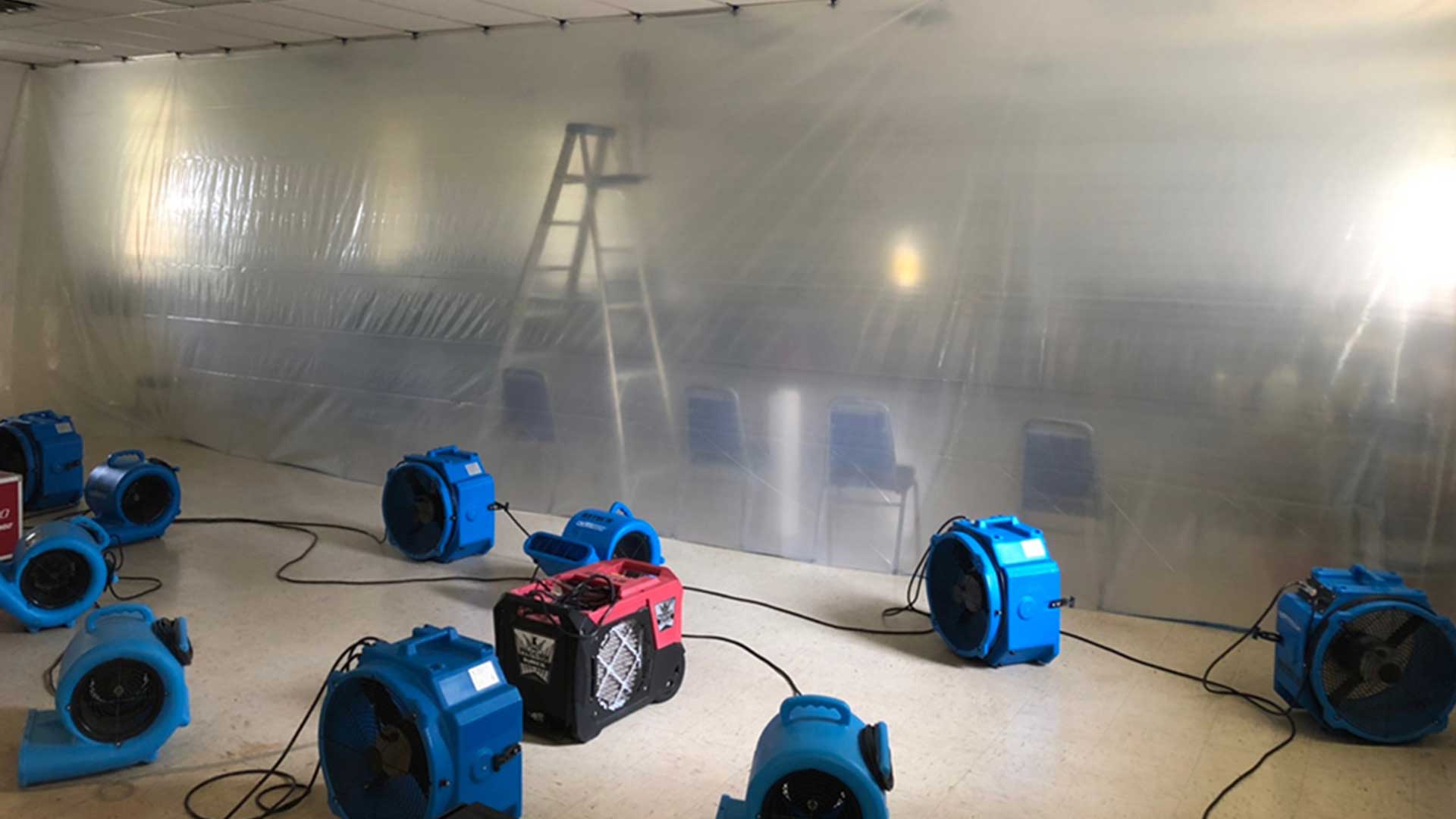
Professional mold remediation focuses on identifying moisture sources, establishing containment, removing affected materials when necessary, and reducing elevated mold spore levels within the indoor environment while following recognized industry standards.
Benefits of 24/7 Emergency Restoration Services
Property damage does not wait for business hours. Emergencies occur during weekends, holidays, and overnight hours.
A rapid response helps minimize secondary damage and provides property owners with immediate guidance on next steps. Early intervention often improves restoration outcomes by reducing moisture migration, limiting contamination spread, and accelerating stabilization efforts.
Local restoration professionals also bring familiarity with building types, weather conditions, and common property concerns throughout Northern Delaware. This regional knowledge can be especially valuable when evaluating damage and developing restoration plans.
Restoration Solutions for Residential and Commercial Properties
Every property has unique needs. A family home in Bear faces different challenges than a medical office in Newark or a retail facility in Wilmington.
Residential property owners often focus on restoring normal daily life and protecting their family's living environment. Commercial property owners and managers frequently prioritize operational continuity, tenant needs, inventory protection, and minimizing disruptions.
Both property types benefit from detailed assessments, ongoing monitoring, documentation, and clear communication throughout the restoration process.
Understanding the Full Restoration Process

Most restoration projects begin with an emergency call and immediate dispatch. Upon arrival, technicians perform a comprehensive assessment using advanced detection equipment to identify visible and hidden damage.
Water extraction, moisture mapping, structural drying, cleaning, deodorization, and environmental monitoring follow as needed. Throughout the process, documentation supports decision-making and helps track progress toward restoration goals.
"Many of the properties we inspect throughout New Castle County have hidden moisture conditions that are not immediately visible. Whether it's water intrusion behind walls, moisture trapped beneath flooring, or contamination that has migrated through a building, a detailed assessment provides the information needed to make informed decisions. Our focus is always on understanding the complete picture and following proven restoration methods that support long-term outcomes."
Kareem Brown, Owner, Rytech Restoration of Northern Delaware
Additional Specialized Restoration Services
Certain situations require additional expertise and specialized procedures.
Disinfection and biohazard cleaning may be necessary following contamination events. Structural drying and dehumidification help control moisture in difficult-to-access building assemblies. Advanced odor removal techniques address smoke odors, mildew odors, and other persistent indoor environmental concerns.
Each service relies on specialized equipment and established restoration protocols designed to support healthier indoor environments.
Working With Your Insurance Provider
Many property owners encounter the insurance claims process for the first time after a disaster. Professional documentation can help simplify communication by providing clear records of conditions, moisture readings, photographs, equipment usage, and restoration activities.
Accurate reporting helps property owners, adjusters, and carriers better understand the scope of the loss and the progress being made throughout the restoration process.
Why Professional Restoration Matters
Property damage often extends beyond what can be seen on the surface. Moisture may remain hidden behind walls. Smoke particles can migrate throughout a structure. Contamination events may affect areas that appear unaffected.
Professional restoration teams utilize commercial-grade extraction systems, dehumidifiers, air movers, moisture meters, thermal imaging technology, and air filtration equipment to evaluate and address these conditions. Following recognized IICRC standards ensures restoration decisions are guided by established science and best practices rather than assumptions.
Choosing the Right Emergency Restoration Partner Near You
When evaluating restoration providers, consider more than availability alone.
Look for organizations that maintain 24/7 response capabilities, employ trained and certified professionals, follow industry standards, utilize advanced technology, and have experience serving local communities. Strong documentation practices, transparent communication, and comprehensive restoration capabilities also contribute to a successful restoration experience.
For property owners throughout Bear, Newark, Wilmington, Claymont, Hockessin, New Castle, Saint Georges, and surrounding areas, local expertise can provide additional value when navigating complex restoration projects.
Be Prepared Before an Emergency Happens
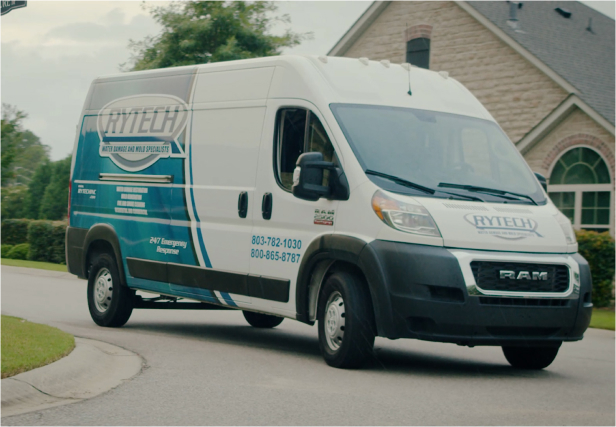
One of the most practical steps any property owner can take is saving emergency contact information before it becomes necessary. Having a response plan in place reduces uncertainty and allows faster decision-making during stressful situations.
Whether you manage a commercial facility in Wilmington, own a home in Bear, or oversee multiple properties throughout New Castle County, understanding emergency restoration services can help you protect your investment and recover more efficiently when unexpected damage occurs.
FREQUENTLY ASKED QUESTIONS ABOUT DISASTER RESTORATION IN NORTHERN DELAWARE
After water, storm, or mold damage, homeowners and property managers across Northern Delaware often find themselves overwhelmed, unsure of where to turn. At Rytech Northern Delaware, we’re here to make the recovery process clear, manageable, and less stressful. That’s why we’ve answered some of the most frequently asked questions about restoration timelines, procedures, and what you can expect when you call our team of IICRC-certified experts.


