

Water damage rarely gives property owners much warning. A burst supply line, overflowing washing machine, heavy rainstorm, or sewer backup can quickly interrupt life at home or business. Throughout Bear, Newark, Wilmington, New Castle, and communities across New Castle County, water emergencies affect properties of every age, from historic buildings to newly constructed homes and commercial facilities.
Knowing what happens during emergency water damage restoration helps property owners make informed decisions while reducing unnecessary stress. The sooner moisture is identified and professionally managed, the greater the opportunity to restore affected materials and limit secondary damage.
At Rytech Restoration of Northern Delaware, every project follows science-based drying principles established by the ANSI/IICRC S500 Standard. Using advanced moisture detection technology, detailed documentation, and experienced IICRC-certified technicians, our team helps residential and commercial property owners navigate the recovery process with confidence.
Understanding Water Damage in New Castle County
Emergency water damage occurs whenever unwanted water enters a structure and begins affecting building materials or contents. While standing water often receives immediate attention, hidden moisture inside walls, flooring systems, insulation, ceilings, and structural framing frequently creates the greatest restoration challenge.
Water emergencies develop from many different sources throughout Northern Delaware. Frozen or burst pipes during winter weather, appliance failures, roof leaks after coastal storms, overflowing sinks, sprinkler system malfunctions, firefighting efforts, and sewer backups all require prompt evaluation.
Residential homes in Bear often contain finished basements, crawl spaces, and attached garages where moisture can spread unnoticed. Commercial properties may experience water intrusion beneath flooring systems, inside office walls, or throughout equipment rooms before visible signs appear.
Common Causes of Emergency Water Damage
Some water losses happen instantly, while others develop gradually over weeks or months before becoming noticeable. Understanding the difference allows property owners to recognize warning signs sooner.
Sudden events typically include burst plumbing lines, overflowing appliances, broken water heaters, toilet overflows, severe storms, and firefighting activities. These situations often release significant amounts of water within minutes or hours.
Gradual water damage usually results from slow plumbing leaks, deteriorating roofing materials, damaged window flashing, aging caulk, or foundation moisture intrusion. Because these issues often remain hidden, building materials can absorb moisture long before visible damage appears.
Northern Delaware experiences a variety of seasonal weather conditions that contribute to water damage. Heavy rainfall, tropical systems moving inland, winter freezes, and fluctuating temperatures all place additional stress on roofs, plumbing systems, and building envelopes.
Addressing the source of water intrusion remains one of the first priorities during mitigation. Drying affected materials without correcting the cause allows moisture to return and continue damaging the structure.
Signs Your Property Needs Immediate Attention
Water damage is not always dramatic. Small warning signs often appear before major structural issues develop.
Pooling water, wet carpeting, stained ceilings, peeling paint, swollen baseboards, buckling hardwood floors, and bubbling drywall frequently indicate active moisture intrusion. A persistent musty odor may signal hidden moisture inside walls or beneath flooring even when surfaces appear dry.
Some property owners first notice an unexpected increase in their monthly water bill. An unexplained spike may indicate a concealed plumbing leak that deserves immediate investigation.
According to the ANSI/IICRC S500 Standard, microbial growth may begin developing within approximately 24 to 48 hours under favorable conditions when excess moisture remains. Early inspection and drying help reduce conditions that support microbial growth and additional restoration work.
Understanding Water Damage Categories and Classes
Not every water loss presents the same level of contamination or structural impact. Restoration professionals evaluate both the Category and Class of water damage before developing a mitigation plan.
Water Categories describe contamination levels:
- Category 1 originates from a sanitary source, such as a broken supply line or sink overflow without contaminants.
- Category 2 contains a greater degree of contamination and may originate from appliances, washing machines, or other sources capable of causing discomfort or illness if exposed.
- Category 3 includes grossly contaminated water such as sewage backups, rising floodwaters, or water containing harmful biological or chemical contaminants.
Water damage is also classified by the amount of moisture absorbed and the extent of affected materials.
Class 1 involves minimal moisture absorption and affects only a small portion of a room. As the class increases, greater amounts of water penetrate additional materials. Class 4 losses involve deeply saturated materials such as hardwood flooring, plaster, brick, concrete, or other low-permeance building materials that require specialized drying techniques.
Correctly identifying both category and class allows restoration professionals to select appropriate drying equipment, cleaning procedures, and safety protocols.
Why Fast Response Changes the Outcome
Time directly affects the scope of water damage.
As moisture continues migrating through drywall, insulation, framing, flooring, cabinetry, and structural assemblies, additional materials become affected. Quick extraction and controlled drying help reduce structural deterioration while improving opportunities to restore salvageable building materials.
Prompt mitigation also limits the amount of demolition that may become necessary later. Drying materials before permanent damage occurs often reduces overall project complexity and shortens recovery time.
Professional documentation beginning immediately after the loss also provides valuable information for insurance claims by recording moisture conditions, affected materials, photographs, and drying progress throughout the project.
What Happens During the Emergency Water Damage Restoration Process?
Professional water damage restoration follows a systematic process rather than relying on visual inspection alone.
The first step is a comprehensive inspection. Moisture meters, hygrometers, infrared cameras, and other advanced detection equipment identify both visible and hidden moisture throughout the property.
Once the assessment is complete, technicians begin removing standing water using commercial extraction equipment designed to remove large volumes of water efficiently.
After extraction, drying equipment is strategically positioned to create controlled airflow and humidity conditions that encourage moisture to leave affected materials. Throughout the drying process, technicians perform regular moisture measurements and adjust equipment based on documented progress rather than estimated drying times.
Cleaning and sanitizing procedures vary depending on the category of water involved. Finally, detailed documentation records every stage of the mitigation process, providing transparency for property owners and insurance professionals alike.
"Properties throughout Bear and New Castle County range from newer residential developments to older homes and commercial buildings, and each responds differently to water intrusion. Years of experience have taught us that moisture rarely stays where you first see it. Using advanced moisture detection and science-based drying allows us to identify hidden moisture early and help property owners make informed decisions throughout the restoration process."
Kareem Brown, Owner, Rytech Restoration of Northern Delaware
Professional Water Extraction and Scientific Drying
Removing visible water represents only the beginning of the restoration process. Significant moisture frequently remains trapped inside structural materials long after floors appear dry.
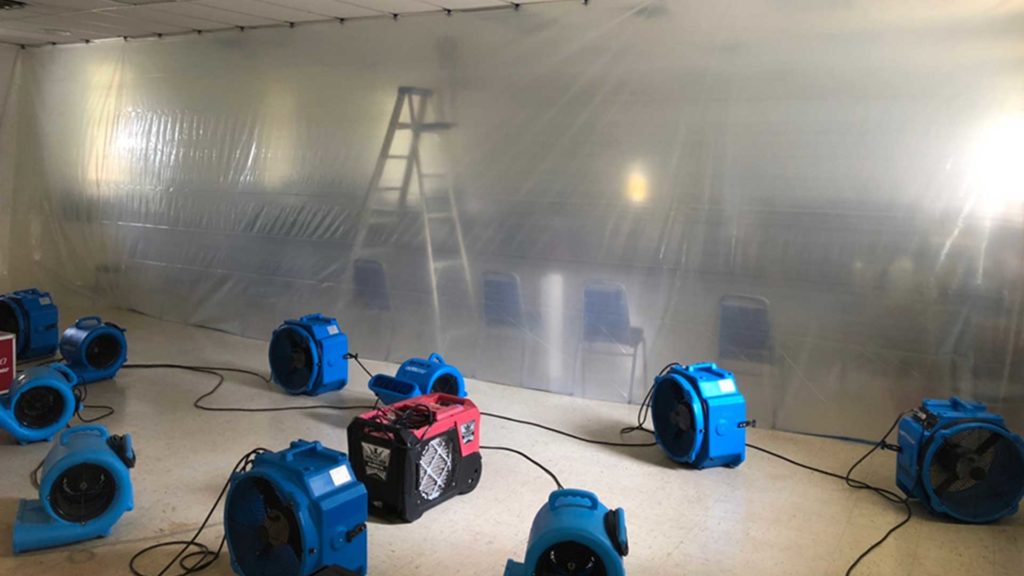
Professional extraction equipment removes substantially more water than residential wet vacuums, allowing drying equipment to work more efficiently. Commercial air movers increase evaporation while industrial dehumidifiers remove moisture from the indoor environment.
Technicians continuously monitor moisture levels inside wood framing, drywall, insulation, flooring, and concrete using calibrated moisture meters. Infrared imaging helps identify hidden moisture pockets that cannot be detected through visual inspection alone.
Rather than drying for a predetermined number of days, ANSI/IICRC S500 procedures rely on measurable moisture data to determine when structural drying objectives have been achieved.
In the next section, we'll explore the specialized equipment used during restoration, mold prevention strategies, health and safety considerations, navigating insurance documentation, choosing the right restoration partner, expected project timelines, and practical ways to help prevent future water damage throughout Northern Delaware.
Equipment That Supports Professional Water Damage Restoration
Successful structural drying depends on more than powerful fans. Restoration professionals use specialized equipment selected for the property's construction, the amount of moisture present, and the environmental conditions inside the building.
Commercial air movers increase airflow across wet materials, helping moisture evaporate at a controlled rate. Refrigerant and desiccant dehumidifiers remove water vapor from the air so additional moisture can continue leaving structural materials. Moisture meters, thermo-hygrometers, and infrared cameras allow technicians to locate hidden moisture and verify drying progress throughout the project. When indoor air quality requires additional attention, HEPA-filtered air scrubbers may also be introduced to capture airborne particles during certain restoration activities.
This scientific approach eliminates guesswork. Every adjustment is based on measurable data collected throughout the drying process, allowing technicians to confirm when materials have returned to acceptable moisture levels.
Preventing Mold Through Rapid Moisture Control
Moisture creates conditions that allow mold to grow on suitable building materials. Because mold spores naturally exist in both indoor and outdoor environments, the focus after water damage is removing excess moisture before microbial growth becomes established.
Under favorable conditions, mold may begin developing within approximately 24 to 48 hours when wet materials remain damp. Quick extraction, controlled drying, and ongoing moisture monitoring significantly reduce this risk. If mold growth is already present, professional containment procedures help limit the movement of mold spores into unaffected areas while remediation activities are completed.
Properties throughout Bear, Newark, Wilmington, and New Castle County often experience humid summer weather combined with seasonal storms, making moisture control especially valuable after any water intrusion. Basements, crawl spaces, wall cavities, and attics deserve careful evaluation because hidden moisture frequently remains in these enclosed spaces.
Rather than attempting to address suspected mold without proper assessment, property owners benefit from professional inspection that identifies moisture sources and determines the most appropriate remediation strategy.
Health and Safety During Water Damage Emergencies
Water damage affects far more than finishes and furnishings. Electrical hazards, structural instability, contaminated water, and compromised indoor air quality all require careful evaluation before cleanup begins.
Standing water may conceal energized electrical components or weakened flooring. Category 2 and Category 3 water losses introduce biological contaminants that require specialized cleaning procedures and personal protective equipment. Restoration professionals evaluate each situation individually before determining safe work practices.
Depending on site conditions, technicians may use gloves, eye protection, respirators, protective clothing, containment barriers, and negative air systems to maintain a controlled work environment. In some situations, portions of a home or commercial building may need to remain unoccupied while drying or containment activities continue.
Protecting occupant safety remains a priority throughout every stage of the mitigation process.
Navigating Insurance Documentation With Confidence
Many property owners file only a few insurance claims during their lifetime. Water damage can feel overwhelming simply because the process is unfamiliar.
Comprehensive documentation helps everyone understand the condition of the property from the first inspection through the completion of drying. Restoration professionals document affected materials, moisture readings, photographs, equipment placement, drying progress, and daily monitoring reports.
Property owners can support the process by photographing visible damage, documenting affected belongings when appropriate, and maintaining communication with their insurance representative. Organized documentation creates a clear record that supports informed decision-making throughout the claim process.
Rather than adding confusion, thorough reporting helps simplify communication between property owners, adjusters, and restoration professionals.
DIY Cleanup Versus Professional Restoration
Cleaning a small spill differs significantly from drying a structure after a plumbing failure or flood. Surface drying often leaves hidden moisture trapped behind drywall, beneath flooring, or inside insulation where additional problems may develop.
Household fans move air but do not remove moisture from the environment. Consumer equipment also lacks the extraction capacity and moisture detection technology necessary to dry structural materials effectively.
Professional restoration teams combine commercial-grade extraction equipment, engineered drying systems, and moisture monitoring instruments with procedures based on ANSI/IICRC S500 standards. This science-based process allows technicians to verify that materials are drying rather than simply appearing dry.
Waiting several days before beginning professional mitigation often allows water to migrate deeper into structural materials, increasing drying time and expanding the overall scope of restoration.
Factors That Influence Water Damage Restoration Costs
Every water loss is unique, so restoration costs vary according to the specific conditions found during inspection.
The overall scope depends on the size of the affected area, the water category, the class of water damage, accessibility, equipment requirements, drying duration, and whether microbial remediation becomes necessary. A small clean water loss affecting one room differs significantly from a Category 3 loss involving multiple levels of a commercial building.
Early mitigation frequently reduces long-term restoration costs by limiting secondary damage and improving opportunities to restore affected materials. Insurance coverage may also help offset eligible expenses depending on policy terms and the cause of loss.
An accurate inspection provides a much clearer understanding of project requirements than estimates based solely on visible damage.
Choosing the Right Restoration Partner in Northern Delaware
Selecting a restoration company involves more than finding someone available quickly. Experience, technical knowledge, communication, and documentation all contribute to a successful recovery.
Look for restoration professionals with IICRC-certified technicians, advanced moisture detection equipment, experience handling both residential and commercial losses, and a commitment to following recognized industry standards. Clear communication throughout the project also helps property owners understand what is happening at every stage of mitigation.
Rytech Restoration of Northern Delaware combines more than three decades of national restoration experience with responsive local service throughout Bear, Newark, Wilmington, Claymont, Hockessin, New Castle, and surrounding communities. Every project emphasizes rapid response, science-based drying, advanced moisture detection, thorough documentation, and ongoing communication designed to help property owners make informed decisions.
Typical Timeline for Emergency Water Damage Restoration
Although every project differs, most emergency mitigation begins immediately after the initial inspection. Water extraction often takes place during the first visit, allowing structural drying to begin as quickly as possible.
Many drying projects require approximately two to five days, depending on building materials, moisture levels, environmental conditions, and the extent of the affected areas. Dense materials such as hardwood flooring, concrete, plaster, and masonry often require additional drying time.
Technicians continue monitoring moisture content throughout the project until drying goals have been achieved. Only after verification is complete does the structural drying phase conclude.
Every property dries differently, making ongoing moisture monitoring one of the most valuable parts of the restoration process.
Reducing the Risk of Future Water Damage
Preventive maintenance remains one of the most effective ways to reduce unexpected water losses. Regular inspections of plumbing systems, roofs, gutters, appliance supply lines, water heaters, and HVAC equipment help identify developing problems before they become emergencies.
Installing water leak detection systems and automatic shutoff devices provides another layer of protection, especially for vacation homes, commercial buildings, and properties that may remain unoccupied for extended periods.
Property owners should also inspect basements, crawl spaces, attics, and utility rooms periodically for moisture stains, musty odors, or signs of slow leaks. Small problems addressed early often prevent much larger restoration projects later.
Learning how water behaves inside a structure gives homeowners, business owners, property managers, and facility professionals greater confidence when responding to unexpected water damage.
If you're looking for more information about professional water damage restoration services in Bear or have questions about moisture concerns affecting your property, Rytech Restoration of Northern Delaware is ready to help.
FAQs: Answering Your Pressing Water Damage Restoration Questions
At Rytech Restoration of Northern Delaware, we know how overwhelming water damage can be. That’s why we’ve built a helpful FAQ section to guide you through what to expect during the mitigation process. From understanding each step to knowing how communication and cleanup are handled, our goal is to provide clear, straightforward answers, so you feel informed, supported, and confident every step of the way.


